


Sustainability
Krystal has a holistic approach to sustainability. We organize our work according to the ESG model (Environmental, Social, and Corporate Governance).
Safety, an inclusive work environment and decent working conditions are enshrined in our routines and through ongoing improvement work. Furthermore, the work is regularly coordinated in management reviews.
We have routines and ethical guidelines that safeguard and guide our work with seriousness and responsible corporate governance.

The work of adapting and developing our deliveries and production to achieve increasingly environmentally friendly products and solutions is a high priority. Increased use of bio-based raw materials in our production is an important part of contributing to lower consumption of petroleum-based polymers.
Krystal Bio-series is based on certified forest raw materials. (ISCC certificate). This technology allows the substitution of fossil material as a polymer base and thus contributes to a low carbon footprint (Life Cycle Analysis Certified). The raw materials are sourced from responsibly managed forests that do not require land use change and as such do not compete with food crops.
In all parts of our work with sustainability, our most important tool is our own competence development and systematic innovation and development work.
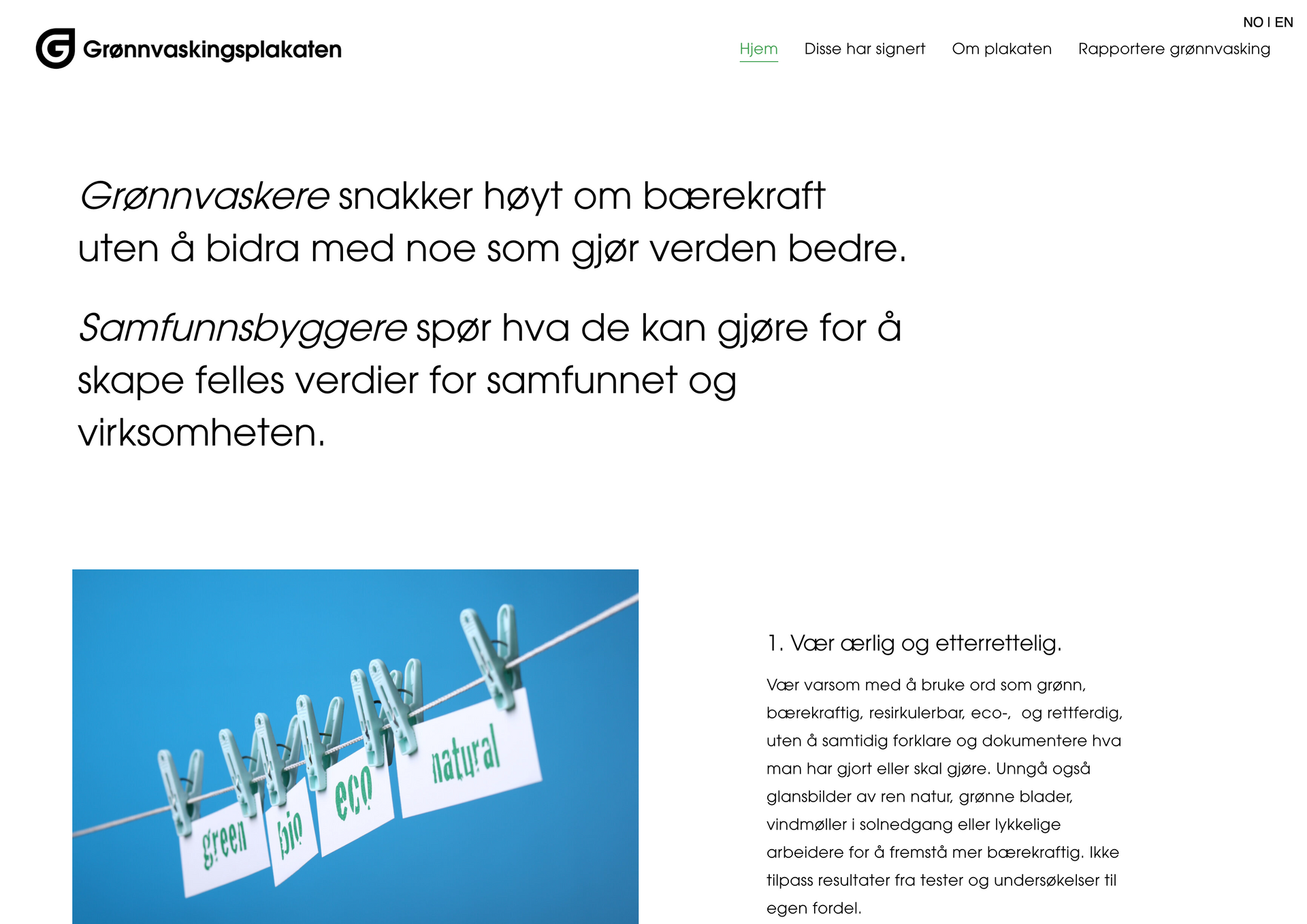
The greenwashing poster
Krystal AS has signed the Greenwashing Poster, and with that we want to be clear that sustainability and environmentally friendly work are important to us. Through our internal and external communication, we want to shine a spotlight on the projects that make a difference. Innovative formulations and production methods have resulted in our bio-series: Quantum Bio 9000 and Inova Bio 5000. Produced on hydropower with a climate footprint as low as 5-10g CO2e/kg, these qualities will be able to reduce the footprint by up to 3kg CO2e per kg of adhesive consumed. When a medium-sized manufacturing company consumes 10 tons of hot melt adhesive per year, a conversion to our bio-series will represent a reduction in the total climate footprint by up to 30 tons CO2e/year. In comparison, a truck fully loaded with goods must drive half a million km less each year, to achieve similar savings in the transport sector. We at Krystal call this sustainability in practice.